November 9, 2023
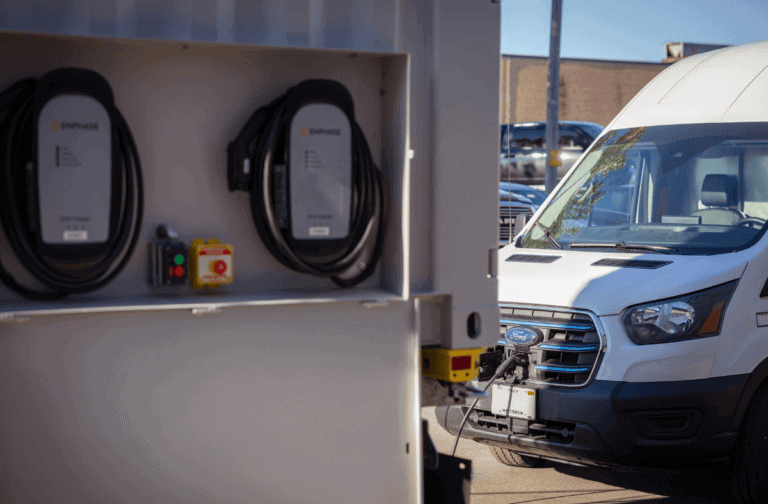
As more organizations look to expand electric vehicle (EV) adoption within their owned fleets or provide charging accommodations to employees and customers, many are faced with the same question: how to implement EV infrastructure quickly. To meet 2030 goals, McKinsey & Company reports that the EV charging infrastructure network needs to grow by almost 20…
October 13, 2023
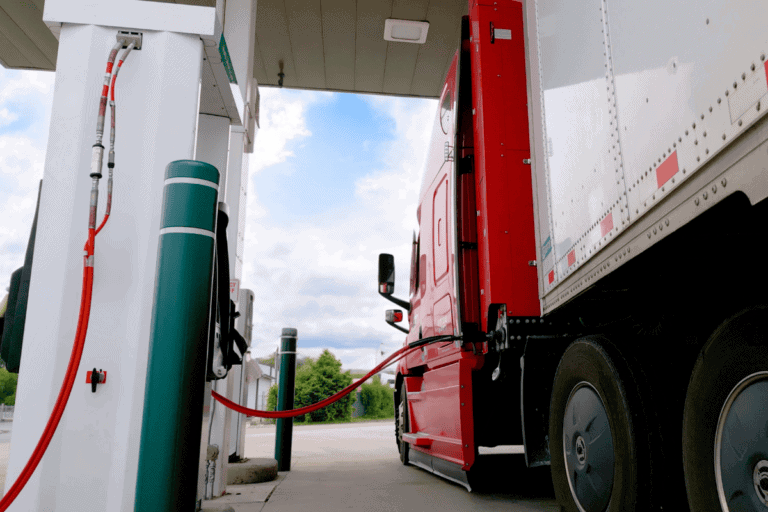
It’s no secret that the transportation industry has evolved over the past several years. The introduction of alternative fuels and policies regulating emissions brought with it new opportunities and obstacles that can leave fleets wondering what the best option(s) is for their organization. We will review comparisons, opportunities, and obstacles for each fuel type, specific…

March 14, 2023
As more businesses, gas stations, residential units, and popular attractions begin to integrate electric vehicle (EV) chargers into their offering, there will be a learning curve. Unlike traditional fueling, when (and how often) you charge an EV makes a difference. Keep reading to learn how you can plan for variables such as time of use…
February 7, 2023
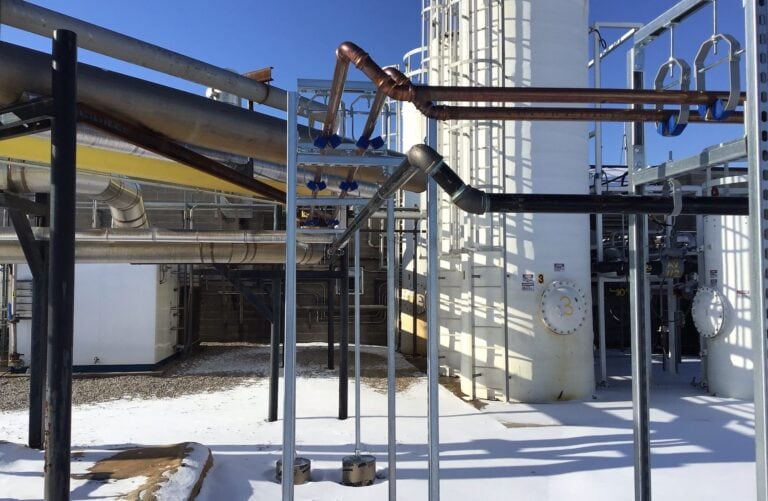
During the winter season (particularly in northern parts of North America), anything that’s outside should be heated and insulated. What you skip will ultimately end up freezing or not working as intended. When it’s a frozen garden hose, while inconvenient, the stakes are low. However, when you have an RNG digester that’s processing roughly 100,000…

January 19, 2023
CFS PROGRAM OVERVIEW Washington State implemented its Clean Fuel Standard (CFS) on January 01, 2023—becoming the third state to launch a market-based transportation emissions program following California in 2011 and Oregon in 2016. The goal of Washington’s program is to gradually reduce the carbon intensity (CI) score of transportation fuels by 20% (based on 2017…
December 5, 2022
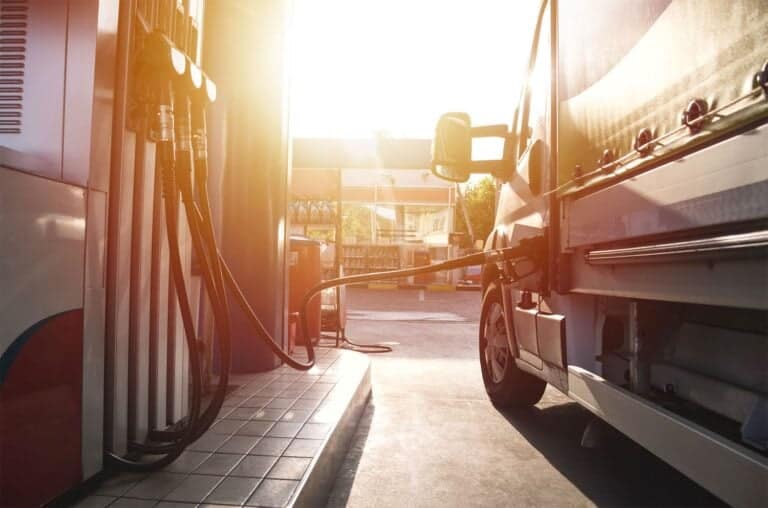
You’ve decided integrating alternative fuels within your fleet makes sense. Now, you’re sifting through the “where to fuel” dilemma, likely penciling out several options and configurations to see what makes the most financial sense. Well, look no further as this blog highlights cost-effective ways to approach fueling stations. Many large fleets enlist the help of…

October 10, 2022
Across the United States, organizations are benefiting from low carbon fuel programs: the federal RFS, California’s LCFS, and Oregon’s CFP. Under each of these standards, state and local governments have incentivized the adoption of alternative fuels—meaning fleets and organizations alike can get paid for using clean fueling alternatives. While many fleets are currently benefiting from credit generation services, others…
April 7, 2022
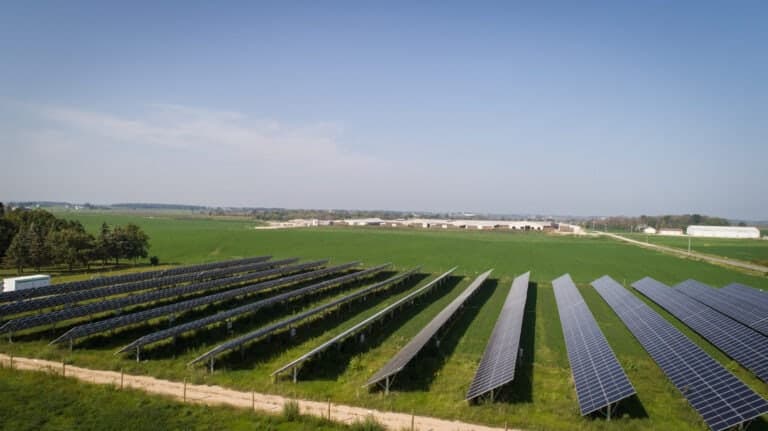
Energy and fuel producers are exploring new means to lower their project’s carbon intensity (CI) score—simultaneously reducing their environmental impact. How? In many cases, by using microgrids and combined heat and power (CHP) technology. But what exactly are these processes, and what benefits do they bring to renewable natural gas (RNG) development projects? First, let’s start with the basics….

October 19, 2021
Demand charging. Automated load management. Systems integration. Adaptive charging. Remote management. With the electrification movement well underway, fleets are being introduced to a whole new glossary of terms and an ever-evolving list of key considerations for selecting vehicle technology, charging infrastructure, and route optimization tools. Relative to charging their fleets, organizations are tasked with optimizing fleet charging costs—designed…
August 10, 2021
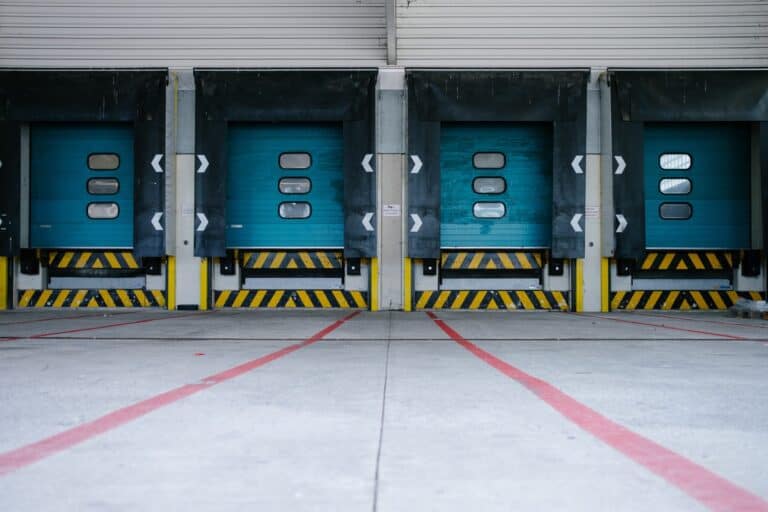
California has been known for its thought leadership in facilitating transportation-related greenhouse gas (GHG) reductions, namely through its Low Carbon Fuel Standard (LCFS). However, recently one of the state’s jurisdictions has gone one step further: targeting key emission-producing sectors through their Warehouse Actions and Investments to Reduce Emissions (WAIRE) Program. WHAT IS THE WAIRE PROGRAM? Also known…